Average ecommerce retention rates sit around 25–30%, which means most stores lose the majority of their customers after a single purchase. That is an expensive cycle when customer acquisition costs keep climbing year over year. It is also the core reason why customer retention strategies have become the highest-ROI growth lever available to most merchants in 2026. Spending more on ads to replace customers you already had is rarely the answer, but it is the default most stores fall back on.
This article isn't a generic list of retention tips. It is a sequenced playbook organized around the lifecycle stages where retention is actually won and lost. The timing of your intervention matters as much as the tactic itself. Each stage has its own churn risk, its own emotional context, and its own set of approaches that work. Understanding that structure is what separates a retention system from a retention checklist.
Understanding the customer lifecycle: where retention is won and lost
Most merchants treat retention as a single undifferentiated problem. They build one win-back campaign, write one re-engagement email, and set it to fire at some arbitrary interval after the last purchase. The diagnosis is wrong, so the intervention lands at the wrong moment, on the wrong customer, with the wrong message.
 Mapping churn to lifecycle stages changes where and how you intervene
There are four lifecycle stages that actually drive retention outcomes. The first is the acquisition moment, which sets expectations and determines what kind of customer you are bringing in. The second is the post-first-purchase window (roughly 48–72 hours after that first order), when trust is at its peak and the customer is most emotionally engaged with your brand. The third is the 30-day drop-off point, where customers who didn't make a second purchase start to drift and the emotional connection begins to fade. The fourth is the 90-day lapse threshold, where a lapsed customer has usually moved on psychologically. Winning them back requires a meaningfully different approach and a stronger incentive than a simple reminder email.
A merchant running a blanket win-back campaign treats a 7-day lapsed customer the same as a 90-day lapsed one, even though the emotional distance and the required incentive are completely different at each stage. The 7-day customer probably just needs a nudge. The 90-day customer needs a reason to care again.
The mistake isn't a lack of effort. Merchants put genuine work into retention campaigns. The problem is treating churn as a single event rather than a sequence of distinct, time-sensitive decision points. When you map your retention system to these four stages, you stop wasting budget on interventions that arrive too early or too late. You start building something that actually changes customer behavior. The rest of this article follows that sequence.
The post-first-purchase window: the most underused retention opportunity
A customer orders running shoes in March, gets an order confirmation, and never hears from the store again until a generic promotional email lands three weeks later. By then, the emotional peak has passed, the shoes have arrived, and the brand is just another sender in an overloaded inbox.
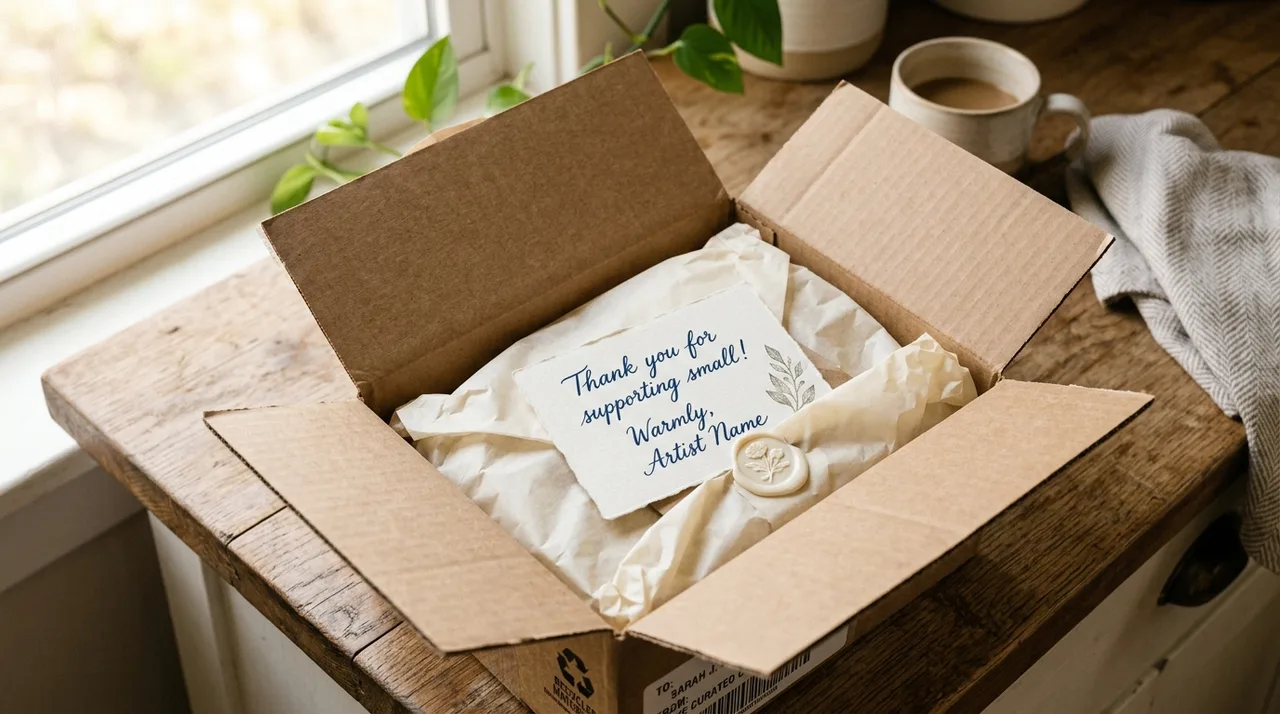 The 48–72 hours after a first purchase is when customer trust peaks
The 48–72 hours after a first purchase represent peak emotional engagement for most customers. The purchase excitement is still present. Trust in the brand is at the highest point it will ever be in the relationship. The customer is more receptive to brand communication during this window than at almost any other moment in their lifecycle. Most merchants waste this window entirely by sending only logistics-focused emails, which is a significant structural mistake. Shipping confirmations and delivery updates are necessary, but they aren't retention tools.
What works inside this window is a sequenced post-purchase email flow that does more than track a package. A product usage guide or getting-started content relevant to what was purchased gives the customer a reason to open the email beyond logistics. An early enrollment prompt for your loyalty program, framed as giving them credit for the purchase they just made, converts the transaction into the beginning of a relationship. A referral invitation on day 3 (not day 1, before the product has even arrived) catches the customer at the moment of highest brand enthusiasm, framing the ask as sharing rather than selling.
The data behind this window is straightforward, and purchase frequency research by industry consistently shows the same pattern: a customer who completes a second purchase within 30 days is far more likely to become a long-term buyer than one who waits 60 or 90 days. That disproportionate leverage makes the post-purchase window the single highest-value place to invest retention effort. Consider a skincare brand that sends a post-purchase sequence including a product usage guide, a loyalty points enrollment prompt, and a referral link on day 3. That sequence sets up the conditions for a second purchase before the first product is even opened. It does this at a fraction of the cost of any acquisition campaign.
One practical detail that often gets missed: the thank you page immediately after checkout is part of this window, not just the emails that follow. Merchants who treat the post-checkout experience as a dead end are leaving one of the highest-attention moments in the entire customer journey completely unused.
Loyalty programs as a customer retention strategy, not a rewards gimmick
Most merchants build a loyalty program the same way they build a coupon: they attach a discount to a repeat purchase and call it a retention strategy. That is not what a loyalty program is for, and it isn't how one actually changes customer behavior.
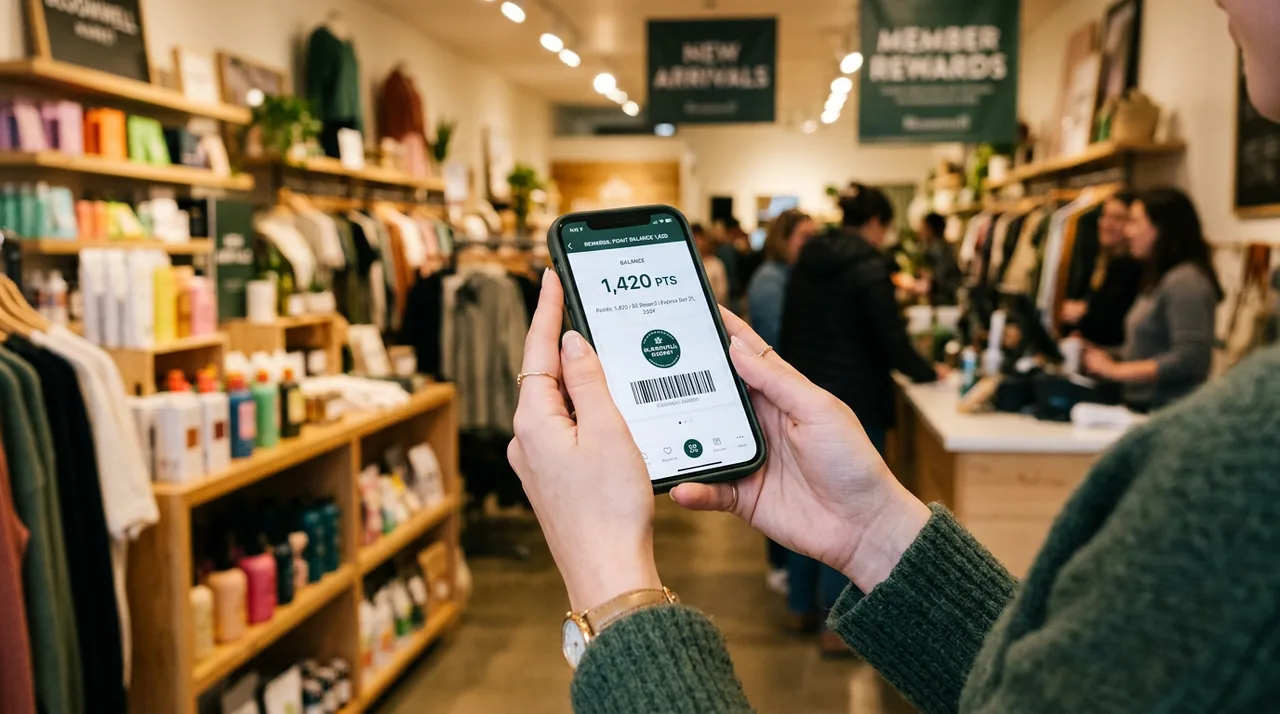 Loyalty programs work when they change purchasing behavior, not just reward it
The structural mistake is treating loyalty as a discount mechanism rather than a behavioral system. A loyalty program built for retention does several things that a points-for-purchases setup doesn't. It rewards non-purchase actions (submitting a review, completing a referral, engaging on social media) so customers are building a relationship with the brand between transactions, not just during them. It creates tiered status so there is something to aspire to, which gives customers a reason to keep their streak going rather than starting fresh with a competitor. It also delivers personalized reward offers tied to what individual customers actually buy, rather than generic discounts that could have come from any store.
The ROI case for a well-built loyalty program is straightforward to make. According to Novus Loyalty research published in March 2026, well-designed loyalty programs can generate up to 5x ROI, and increasing repeat customers by just 5% can boost profits by 25–95%. Those numbers only hold when the program is integrated properly, which is where most implementations fall short. Most stores run their CRM and their loyalty program as separate systems. This means loyalty data doesn't inform email timing, and CRM behavioral signals don't trigger loyalty interactions. The result is a loyalty program that feels disconnected from the actual customer experience.
A unified single customer view, where CRM data and loyalty mechanics share the same information, is what enables the kind of timely, relevant interactions that actually change behavior. We have seen this play out with Beans customers like Loving Foods, where connecting loyalty data to customer communications changed engagement patterns in ways that a standalone points program never would have. There is also a significant usage gap worth acknowledging: Beans gets 5x more usage than traditional loyalty programs precisely because the program is designed to be embedded in the customer experience rather than bolted on as a separate tool. If you want to explore the full range of structural options, 10 types of loyalty programs covers the landscape in detail.
Referral programs: retention and acquisition working in one loop
Most merchants think of referral programs as acquisition tools. That framing misses half the value.
When a customer refers a friend, something happens psychologically that most stores don't account for: the act of advocating for a brand reinforces the referrer's own commitment to it. This is sometimes called post-decision justification. It means that a customer who refers someone is actively deepening their own loyalty at the same time. A well-timed referral ask does not just bring in a new customer; it makes the existing customer less likely to churn.
The timing of the referral ask matters more than most merchants realize. Asking immediately after checkout, before the product has arrived and before the customer has formed a real opinion, tends to produce low conversion and feels transactional. The right moment is after a positive experience signal: a 4 or 5-star review submission, a repeat purchase, or a loyalty tier upgrade. A pet supplies store that triggers a referral invitation only after a customer leaves a positive product review is reaching that customer at peak satisfaction. That is the moment they are most likely to advocate and least likely to churn.
The reward structure for the referrer also matters as much as the incentive for the new buyer, and this is an area where many programs get the balance wrong. Referrers who earn meaningful rewards (store credit, loyalty points, a free product) have a tangible reason to stay active with the brand. Referrers who get a modest discount code for their next order often do not notice the reward is there at all. The Dollar Shave Club referral program is a useful case study in getting both sides of this balance right.
Personalization, segmentation, and behavioral triggers that reduce churn
73% of customers expect personalization from brands, but only 33% feel they actually receive it, according to Novus Loyalty's 2026 research. That gap isn't a branding problem. It is a direct retention opportunity, because customers who feel understood by a brand tend to stay with it.
Behavioral segmentation is how you close that gap at scale without writing individual emails. Grouping customers by purchase frequency, category affinity, and engagement recency lets you send the right retention message at the right moment instead of broadcasting a generic campaign to your entire list and hoping it lands. A customer who buys every 3 weeks responds to different messaging than one who buys once every 4 months. Treating them the same way usually means the communication is wrong for both of them.
Automated behavioral triggers are what address churn at the 30-day and 90-day risk points before the customer has consciously decided to leave. A browse-abandonment sequence re-engages customers who are showing intent without completing a purchase. A replenishment reminder timed to a product's typical usage cycle (particularly relevant for consumables, supplements, or pet food) catches customers before they realize they need to reorder. A coffee subscription brand that identifies customers whose order frequency has dropped from weekly to bi-weekly can trigger a personalized email addressing that pattern with a relevant bundle offer. This reaches the customer before churn becomes a decision rather than after. These triggers require integration between your behavioral data and your email platform, which is one reason connecting Beans with Klaviyo or Mailchimp is a common first step for merchants building a real-time retention system.
Personalization also extends to moments that most stores overlook. Birthday-based retention campaigns, for instance, consistently outperform generic promotional emails in open rate and conversion, often because they arrive at a moment when the customer is already in a receptive emotional state.
Retention metrics every ecommerce store should track
What if you ran every tactic in this article and had no way to know which one was working? That is the situation most merchants are in, because they track acquisition metrics carefully and treat retention measurement as an afterthought.
There are 4 core metrics that give you a complete diagnostic picture of your retention system. Repeat purchase rate tells you the basic proportion of customers who come back at all. Customer lifetime value tells you what those returning customers are worth over time and is the number that makes every retention investment easy to justify or challenge. Churn rate by cohort tells you not just how many customers leave, but when they leave and which acquisition cohorts retain better than others. And time-to-second-purchase tells you how long that critical conversion from first-time to repeat buyer is taking, which often reveals whether your post-purchase sequence is doing its job.
Cohort analysis is the most useful method for reading these numbers, because it tracks groups of customers acquired in the same month across subsequent months and reveals exactly which lifecycle stage is losing the most people. A merchant who tracks cohort retention monthly may discover that customers acquired through paid social churn at 60% by day 30, while customers acquired through referral retain at 70% through day 90. That single finding tends to shift both budget allocation and program investment priorities faster than any qualitative argument could.
The connection between metrics and action is where most retention measurement falls short. A rising time-to-second-purchase usually signals a weak post-purchase sequence. A high 90-day churn rate often points to a loyalty program that is not creating sufficient habit or aspiration. A low referral conversion rate suggests either the ask timing is wrong or the referrer incentive isn't meaningful enough to motivate action. Each metric points to a specific stage in the lifecycle framework, which means you can fix the right thing rather than guessing. For more on how purchase frequency patterns vary by category, the data often changes which metric deserves the most attention for a given store type.
Building your retention stack for 2026
Retention isn't a campaign you run once. It is a system you build across lifecycle stages, with each component feeding data into the next. Post-purchase engagement sets up loyalty enrollment. Loyalty mechanics create the behavioral habit that makes referrals feel natural. Referral rewards give existing customers a reason to stay active. Behavioral triggers activate all of it at the moments of highest churn risk, and metrics tell you where the system is breaking and what to fix.
If only one thing changes after reading this article, it should be the post-first-purchase email sequence. That window has the highest leverage for the least investment, and most stores are currently doing nothing with it beyond a shipping confirmation. Start there, measure time-to-second-purchase before and after, and use that data to justify the next layer of the system.
Brands that integrate CRM and loyalty into a unified system are positioned to deliver the real-time, personalized experiences that the 73% of customers who expect personalization aren't currently receiving from most ecommerce stores. The gap between what customers expect and what they actually get is wide. Closing it is one of the most concrete customer retention strategies available to any merchant willing to build the system rather than run the campaign.